Rigid boxes are what people mean when they say packaging feels expensive. The weight, the way a lid settles, the sound a magnet makes — none of that is accidental, and none of it comes from printing.
Understanding how the construction works is the difference between paying for luxury and paying for the appearance of it. Here is the box, layer by layer.
Key takeaways
- The premium feel comes from the greyboard core, not the printing.
- Wrap paper choice decides both look and durability at the corners and edges.
- Magnetic closures, ribbon pulls, and moulded inserts are the details customers remember.
- Rigid boxes ship assembled, so freight and storage cost more than flat-packed styles.
- Expect higher minimums and longer lead times than folding cartons.
The core: greyboard
Under the printed surface of every rigid box is greyboard (also called chipboard) — dense, compressed recycled fibre that does not fold or flex. This is where the weight and the structural silence come from. A rigid box does not creak when you lift the lid.
Thickness is the single biggest lever on perceived quality. Thinner board keeps cost and shipping weight down; thicker board feels unmistakably more substantial. Most premium retail boxes sit somewhere in the middle, and heavier board is reserved for large or genuinely high-value items.
The wrap: where the design lives
Greyboard is grey and unattractive, so it is wrapped in a separately printed paper that carries all the branding. The wrap is glued and folded around the board, with corners turned in by hand or machine.
Wrap choice matters more than most brands expect. Uncoated fine papers look beautiful and mark easily. Coated papers hold colour and resist scuffing. Specialty textured stocks feel wonderful but limit how much fine detail you can print on them.
- Coated art paper — accurate colour, best scuff resistance
- Uncoated fine paper — refined and tactile, marks more easily
- Textured or embossed stock — strong hand feel, limited fine detail
- Specialty papers — distinctive, but confirm print compatibility first
Construction types
The word rigid covers several distinct builds, and they open in different ways.
| Type | How it works | Typical use |
|---|---|---|
| Two-piece (lid and base) | A separate lid lifts off a base tray | Apparel, gift sets, shoes |
| Book style | Hinged lid opens sideways like a cover | Electronics, fragrance, presentation kits |
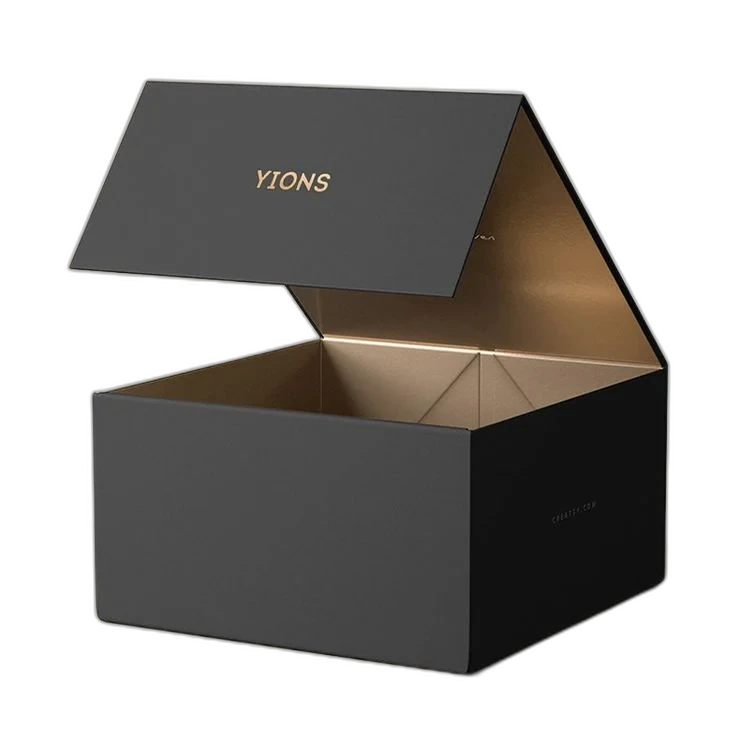
| Magnetic closure | Hidden magnets snap the flap shut | Premium retail and high-value gifting |
| Drawer / slide | An inner tray pulls out of an outer shell | Jewellery, watches, small luxury items |
| Shoulder / neck | An inner shoulder holds the lid slightly raised | Spirits, fragrance, collector editions |
Closures and the sound of quality
Magnetic closures are the most requested rigid box feature, and for good reason: the snap as the lid seats is a physical confirmation of quality. Magnets are concealed between the greyboard and the wrap, so nothing is visible from outside.
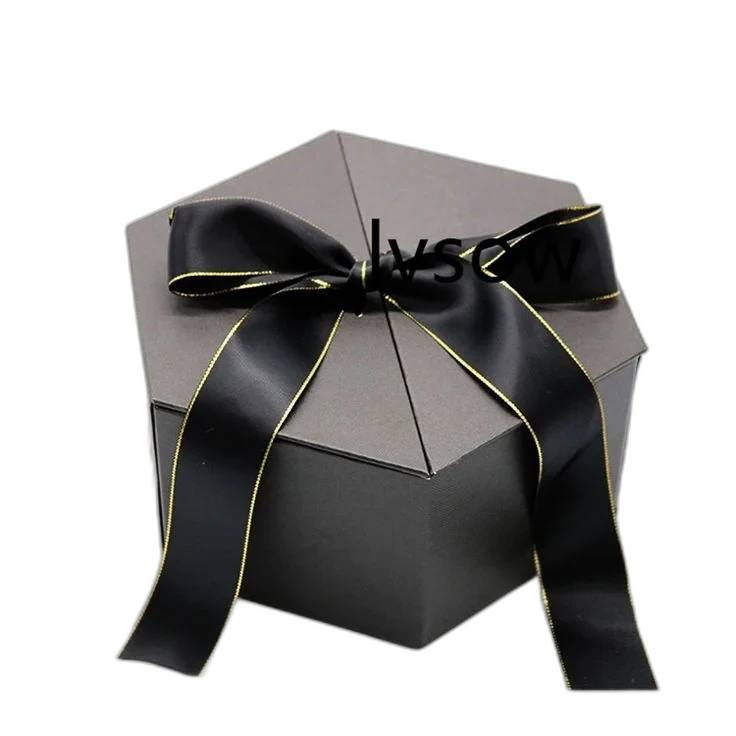
Ribbon pulls, elastic bands, and grosgrain ties do similar work more quietly. They add a deliberate action to opening, and they cost far less than magnets — worth considering if you want a considered feel on a tighter budget.
Inserts: the part people photograph
An unsupported product sliding around inside a premium box undoes everything the box was trying to say. Inserts hold the item in a fixed, photogenic position and control exactly how the reveal is staged.
| Insert | Strengths |
|---|---|
| Die-cut foam | Excellent protection, precise fit, common for electronics and tools |
| EVA foam | Denser and cleaner-edged than standard foam; feels more premium |
| Moulded pulp | Recyclable and increasingly used where sustainability is part of the story |
| Paperboard platform | Lightest and cheapest; good for flat items and printed messaging |
| Fabric-wrapped | Highest perceived value, used for jewellery and watches |
Finishes that earn their cost
Finishing is applied to the wrap before assembly, and each one is a separate pass on press. Used sparingly they carry enormous weight; used everywhere they cancel each other out.
- Foil stamping — metallic shine pressed with a heated die, ideal for a logo
- Blind emboss or deboss — shape without ink, quiet and highly tactile
- Spot UV — targeted gloss against a matte background for contrast
- Soft-touch lamination — velvet hand feel, though it shows fingerprints
- Matte lamination — reduces glare and hides handling marks well
The practical trade-offs
Rigid boxes are the right answer for a genuinely premium product, and the wrong answer for a low-margin one. Before committing, price the full picture rather than the unit cost alone.
- Minimum order quantities are higher than folding cartons.
- Lead times are longer because of manual assembly and finishing passes.
- Freight and storage cost more, since the boxes arrive assembled.
- Every extra finishing pass adds both cost and production days.
When it is worth it
Rigid packaging pays for itself when the box becomes part of the product experience: when customers keep it, photograph it, or use it to store the item. That is why fragrance, jewellery, watches, premium electronics, and high-end gifting all standardise on it.
If your product ships in volume at a modest price point, a well-designed folding carton with one strong finish will almost always deliver better return than a rigid box you have to cut corners on.
Frequently asked questions
A rigid box has a thick greyboard (chipboard) core that does not fold, wrapped in separately printed paper that carries the artwork. Magnets, ribbons, and inserts are added during assembly.
Want this reviewed on your own project?
Send us your product details and our team will recommend a construction and stock, supply a free dieline and 3D mockup, and price two or three options — within 24 hours.